Frame Butcher
Turn stories into video through conversation.
Frame Butcher guides creators from idea to scenes, assets, clips and structured video sequences.
MVP in private testing · AI-assisted video creation and scene-level editing.
Turn stories into video through conversation.
Frame Butcher guides creators from idea to scenes, assets, clips and structured video sequences.
MVP in private testing · AI-assisted video creation and scene-level editing.
Frame Butcher is an AI video creation and scene editing platform designed to help creators, small teams and businesses turn stories, prompts and raw ideas into structured visual scenes, cinematic video sequences and sound-driven media.
The problem Frame Butcher addresses is the gap between one-shot AI generation and real creative production. Many AI tools can generate isolated images or short clips, but creators still need a workflow that keeps narrative context alive while assets, scenes, cuts and timelines are built.
Frame Butcher focuses on that missing layer: story development, asset generation, scene-level editing and timeline construction in a single AI-assisted environment. The product operates in the generative media, AI video creation and creative tooling space.
The name is literal. A frame is the smallest unit of a video. A butcher takes things apart — and puts them back together differently.
Frame Butcher does exactly that. It breaks stories down into their visual building blocks, generates assets and clips, and reassembles them into something that moves. It treats video not as a fixed output, but as living material: something you can generate, cut, shape and rebuild around a narrative that actually means something.
Users can start from an idea, develop it with the AI, generate visual assets and video clips, and progressively shape them into structured scenes. The platform already includes scene-level editing capabilities such as frame extraction, video segmentation, clip splitting and sequence assembly.
The long-term goal is to make the AI agent capable of directly assisting with editing decisions: cutting scenes, rearranging sequences, building timelines and turning high-level creative instructions into concrete video operations.
Frame Butcher is currently in MVP / private testing stage. The prototype can generate assets and video clips from narrative context, while the editing pipeline is being expanded toward deeper scene-level and timeline-level control.
The platform is live in a limited version for evaluation, technical validation and early product development. Access is currently restricted while the workflow, infrastructure and user experience are being refined.
The current focus is validating the workflow with early users and improving the pipeline for longer, more controllable video projects.
The following examples show early outputs generated using the Frame Butcher pipeline.
Each demo shows how Frame Butcher moves from visual assets and narrative context to generated clips and assembled video sequences.
Fake Italian cat food ad · March 2026
AI-generated short ad with structured scenes and Italian-language narrative flow
This demo shows a fake cat food commercial generated through a structured workflow based on scene planning, visual asset generation and short-form video composition.
Key frames used to build the sequence:

Empty bowl

Cat rejecting the food

Supermarket
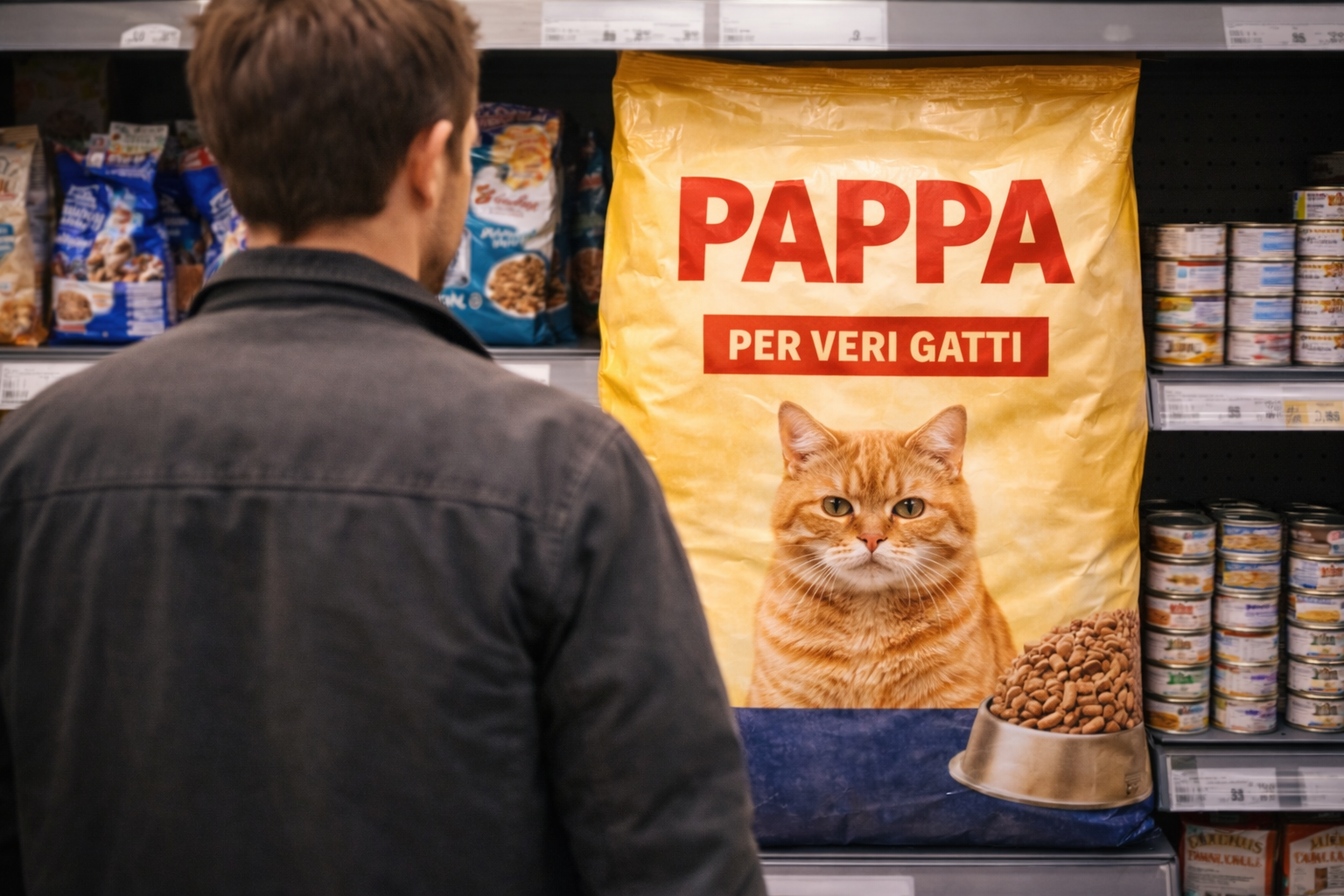
Brand setting
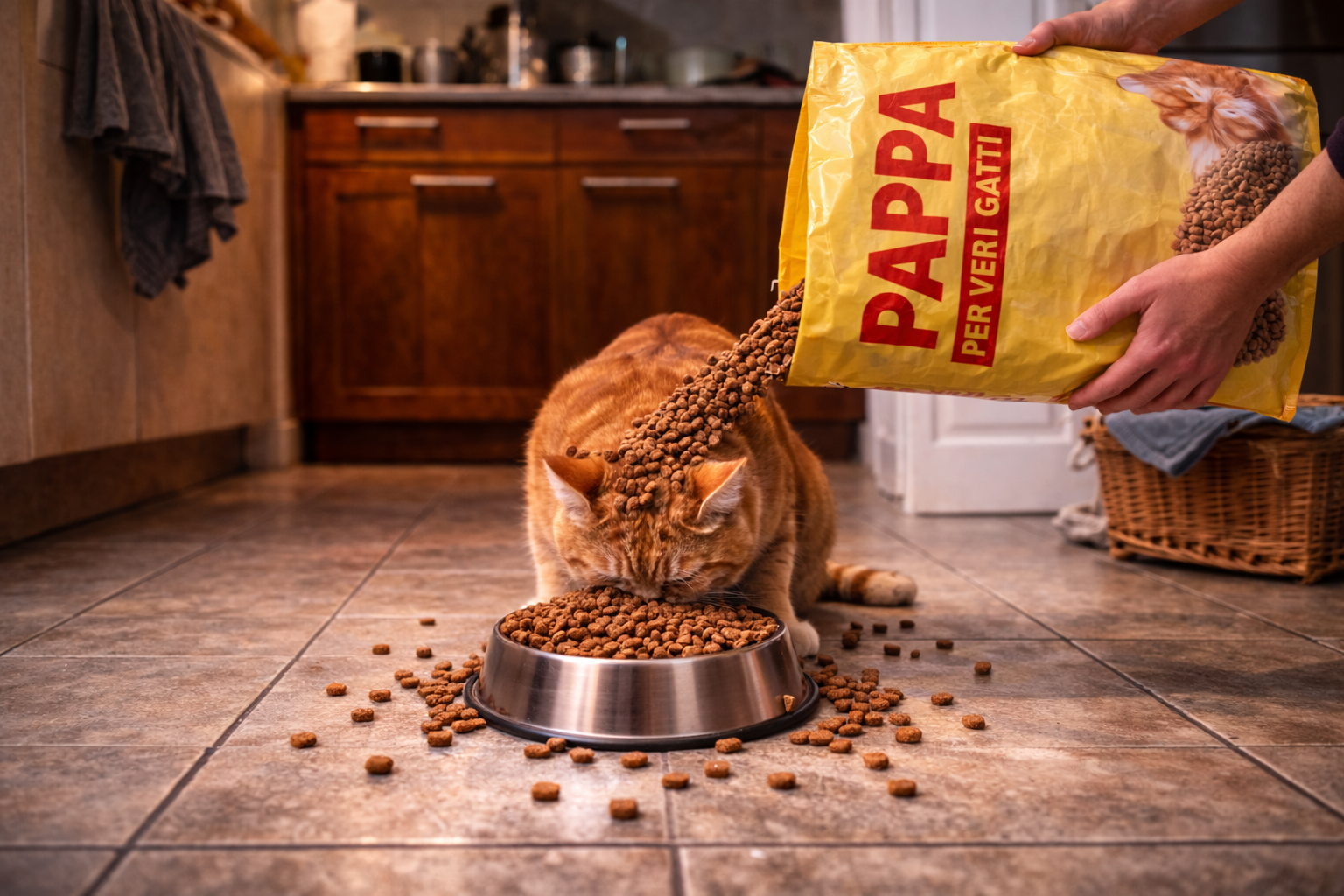
Final feeding scene
Demonstrates: short-form ad generation, product-focused scene sequencing and Italian-language narrative flow.
First kitten story test · April 2026
Scene-based storytelling with environment transitions
This demo was built from a set of generated visual assets used to define characters, environments and scene references before assembling the final video sequence.
Visual assets used to build the sequence:

Kitten character

Final kitten design
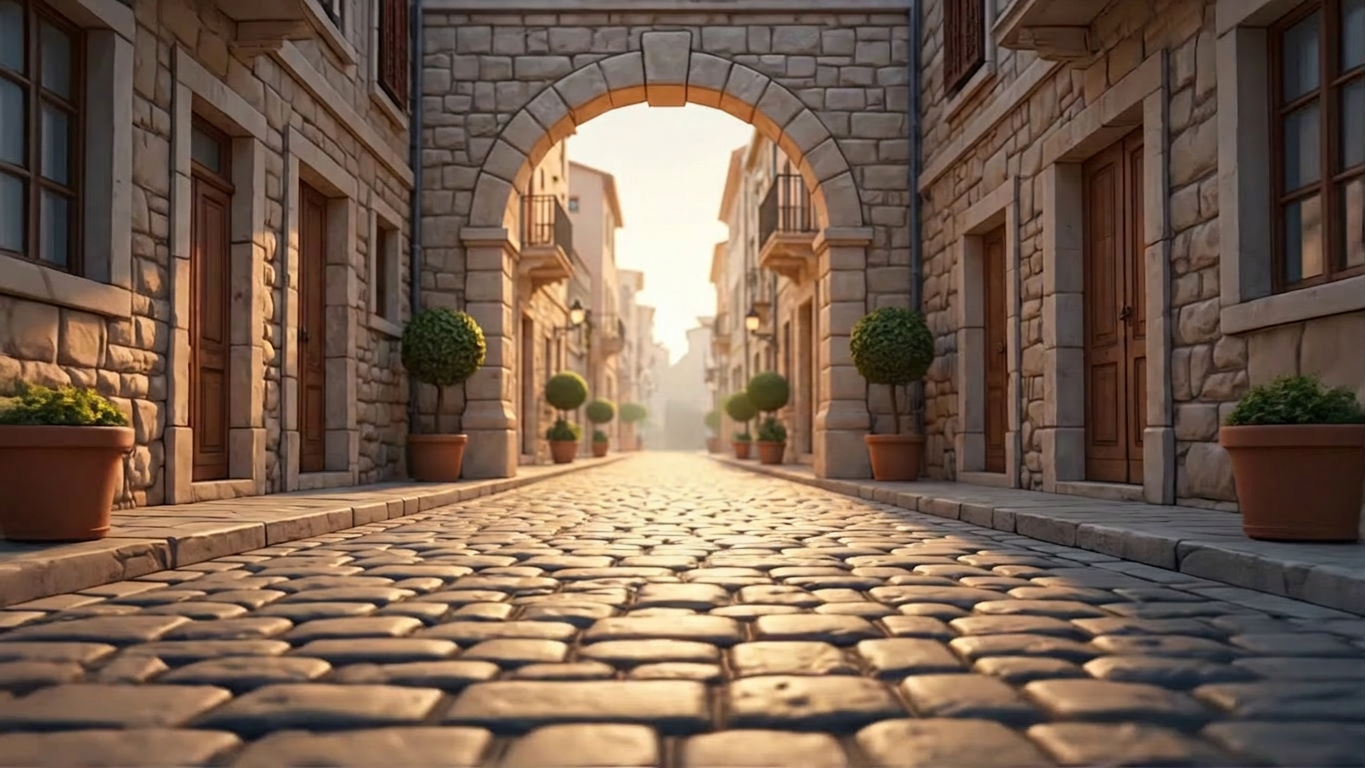
City environment
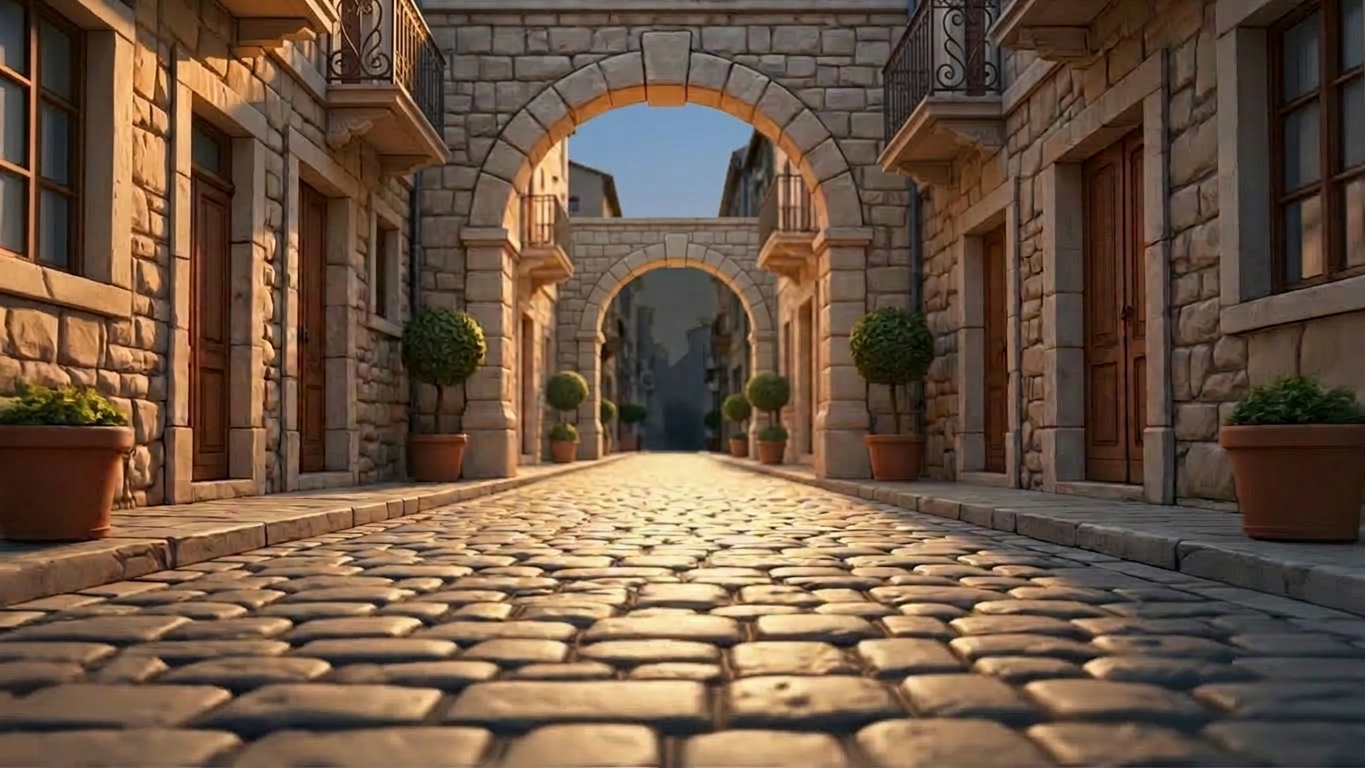
Alternative city environment
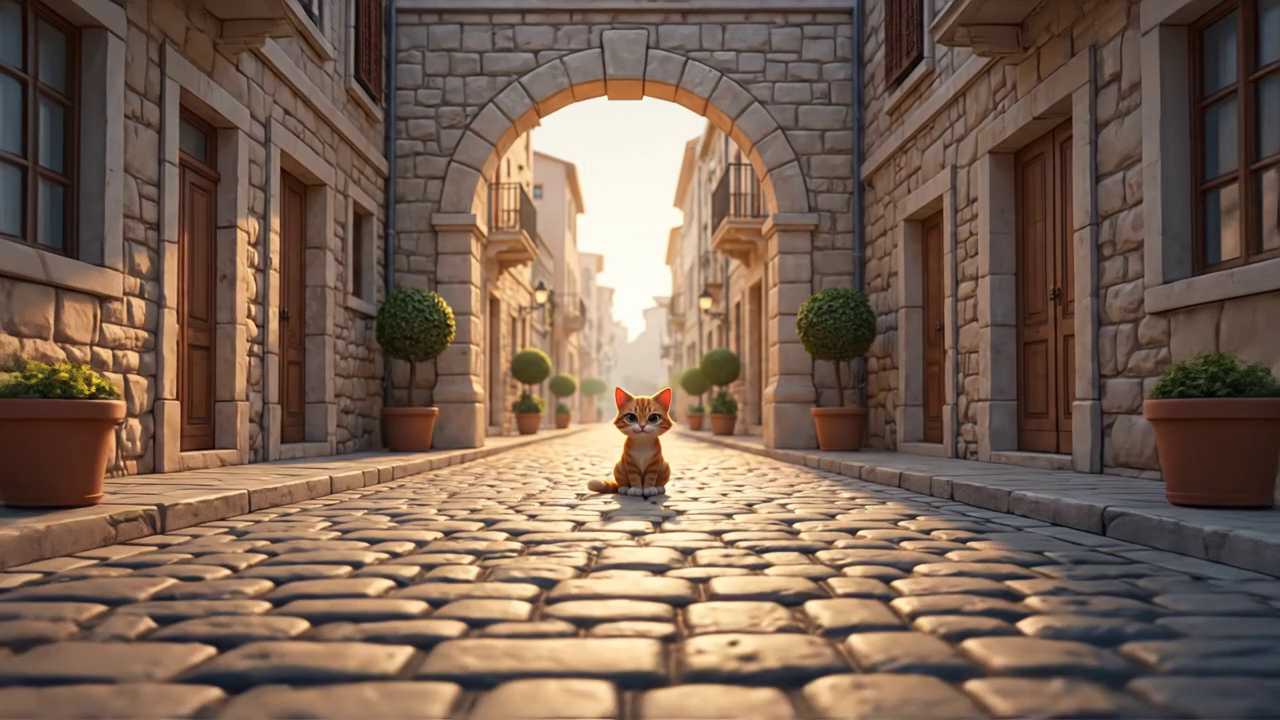
Opening frame
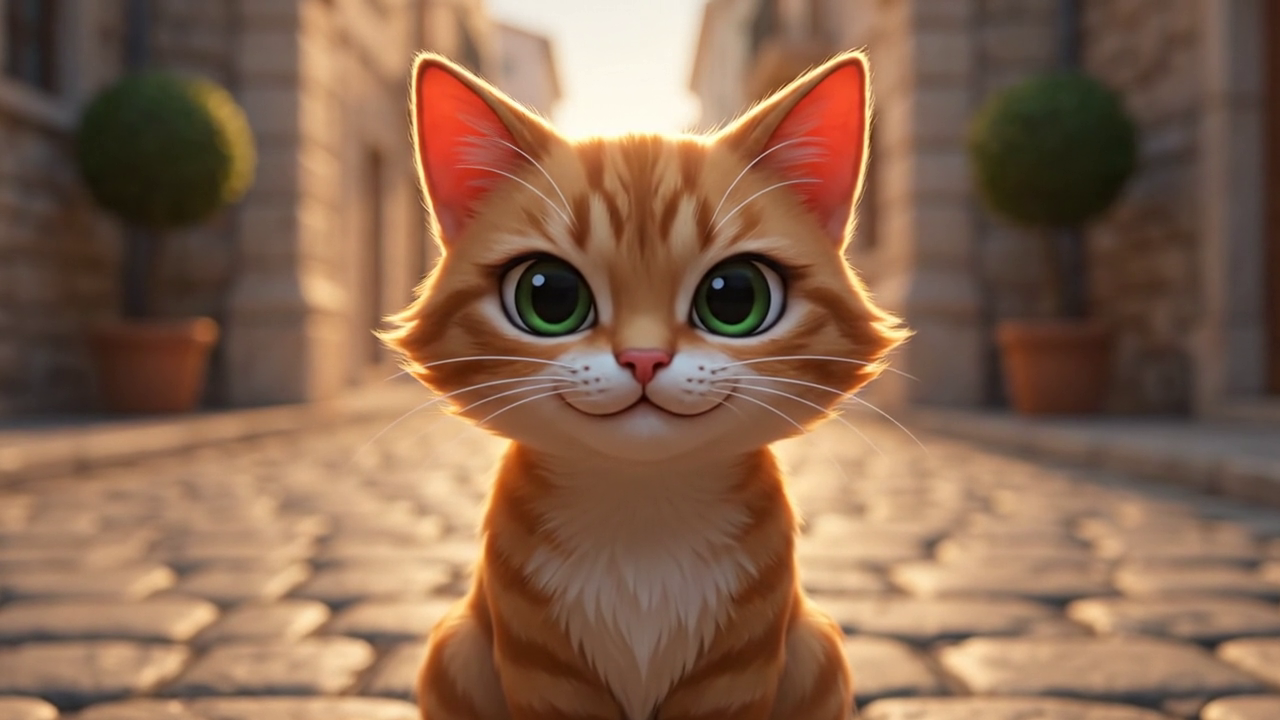
Character close-up
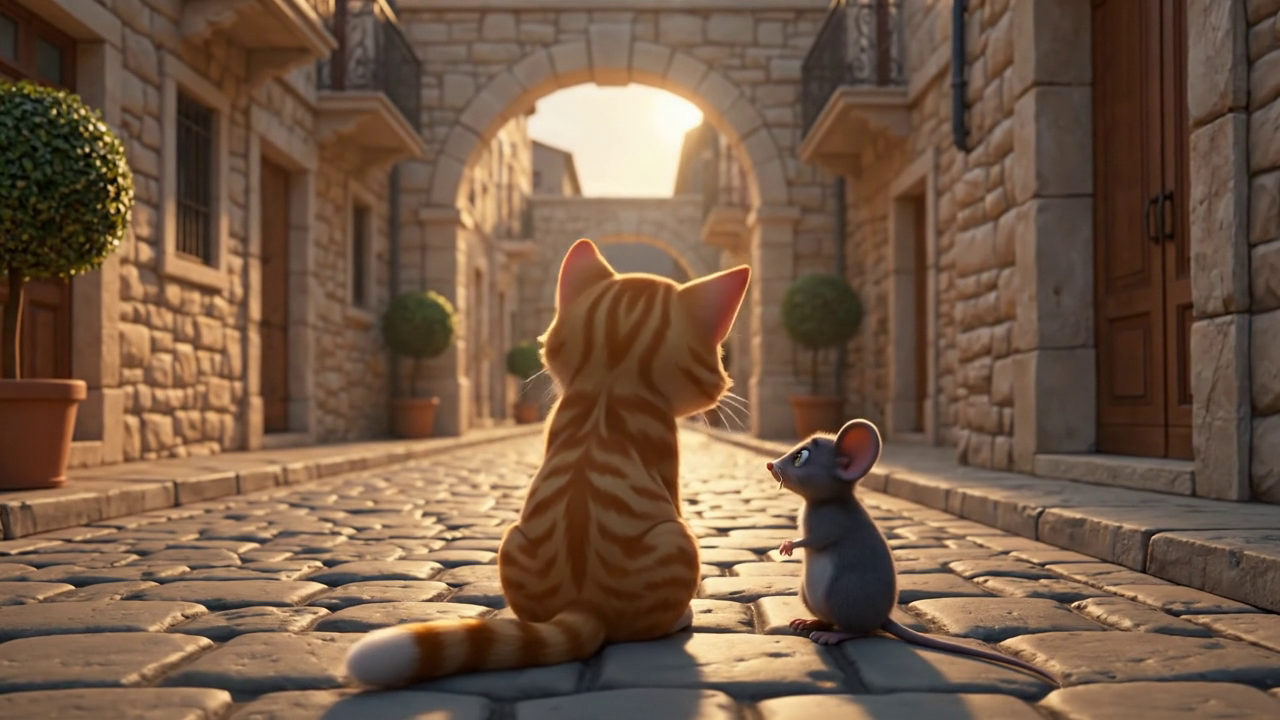
Kitten and mouse scene

Tunnel entrance
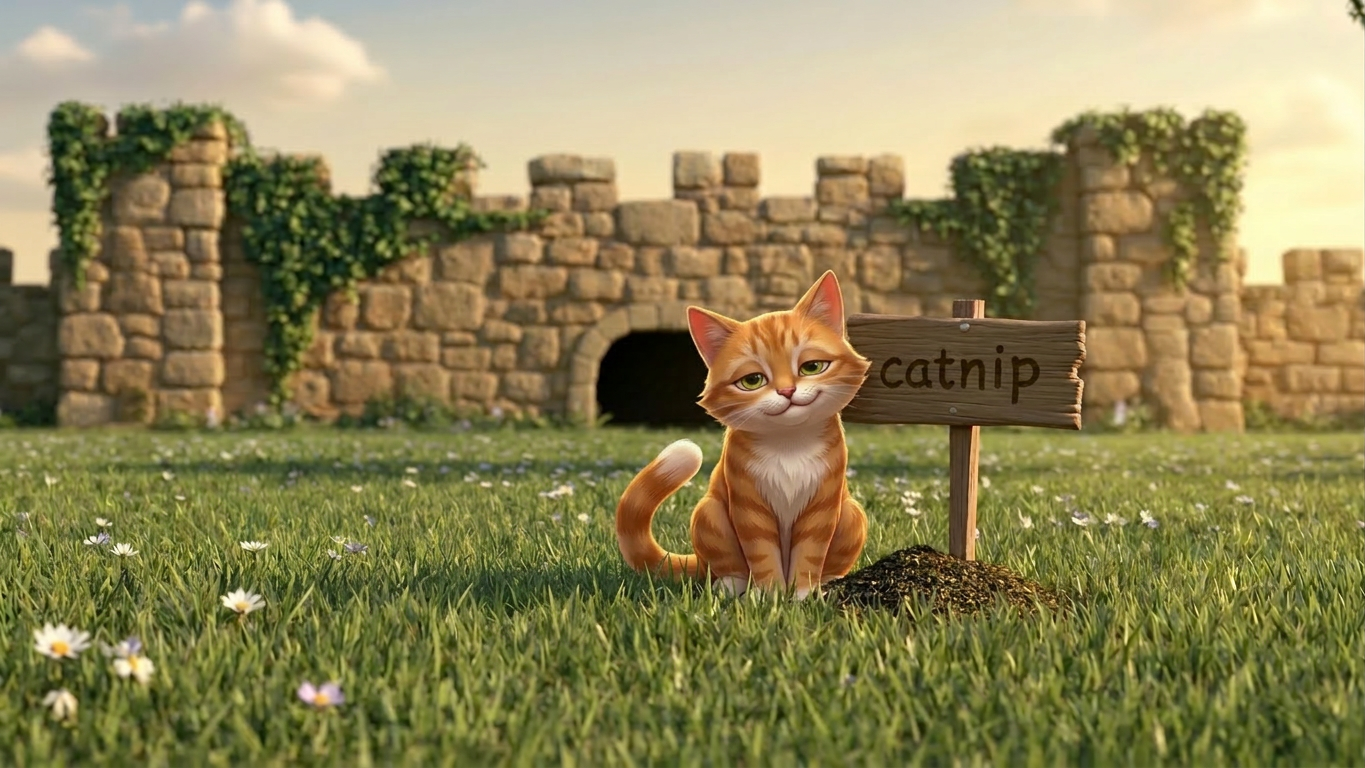
Final frame
Demonstrates: asset-driven scene construction, narrative continuity and video generation from structured visual context.
Sci-fi narrative short · April 2026
Long-form cinematic sci-fi sequence with narrative continuity and worldbuilding
This 4-minute 21-second demo tells a complete original sci-fi story: two aliens discover Voyager I, examine the Golden Record, travel to Earth and explore what remains of human civilization.
Selected visual references and key story frames:
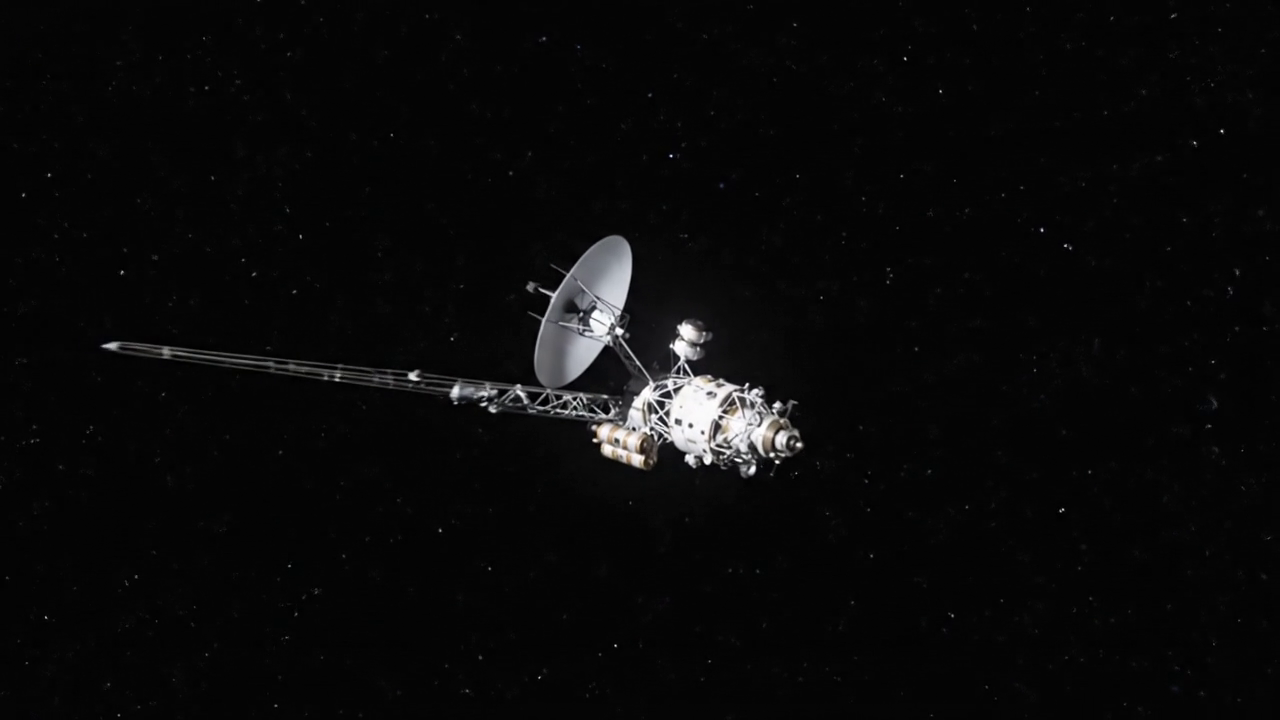
Voyager I
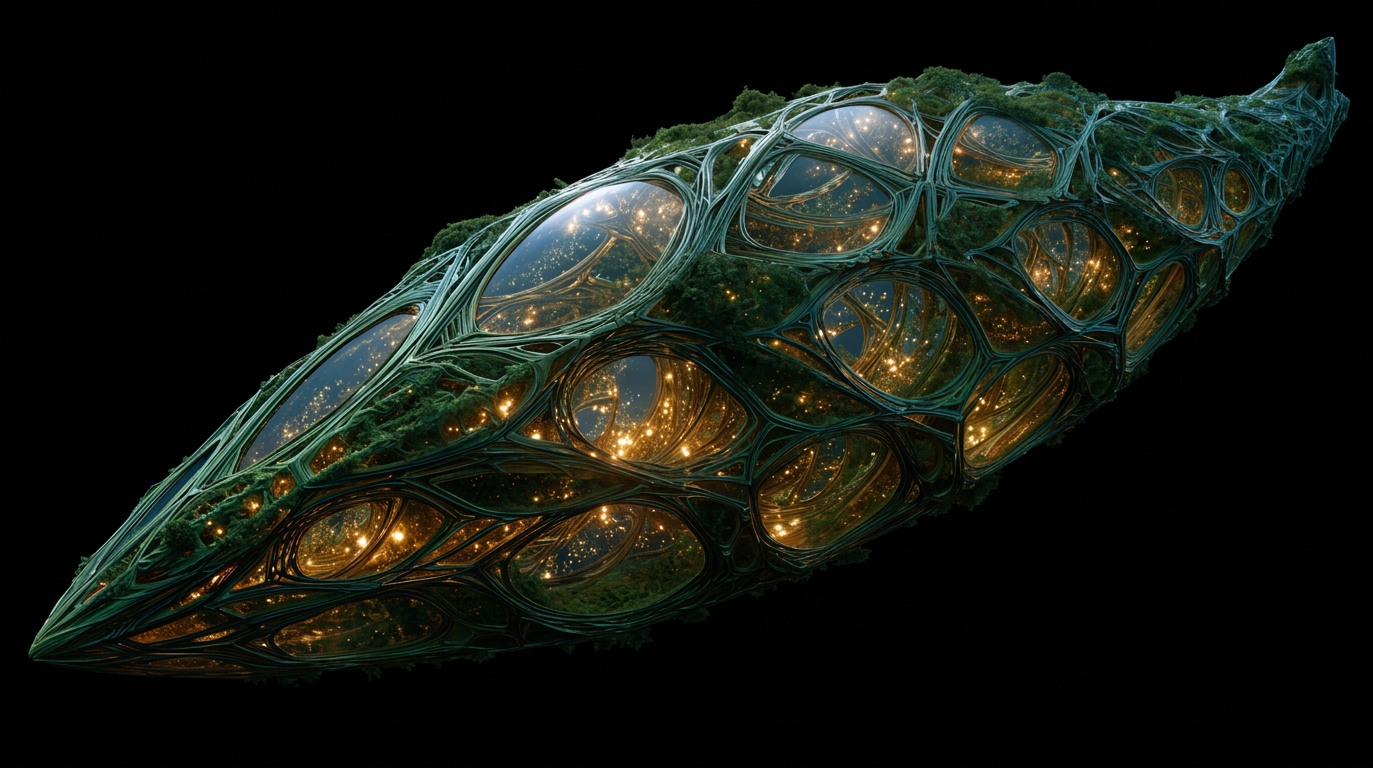
Alien spacecraft

Inside the spacecraft
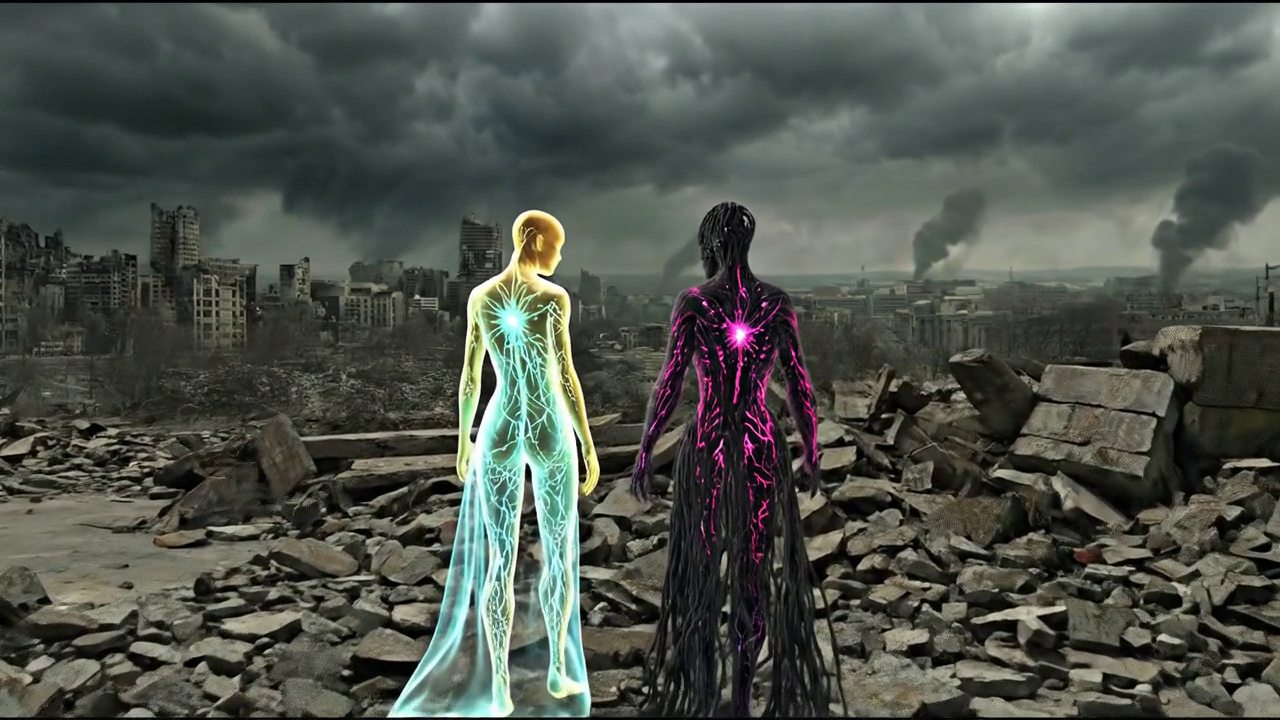
Main alien characters
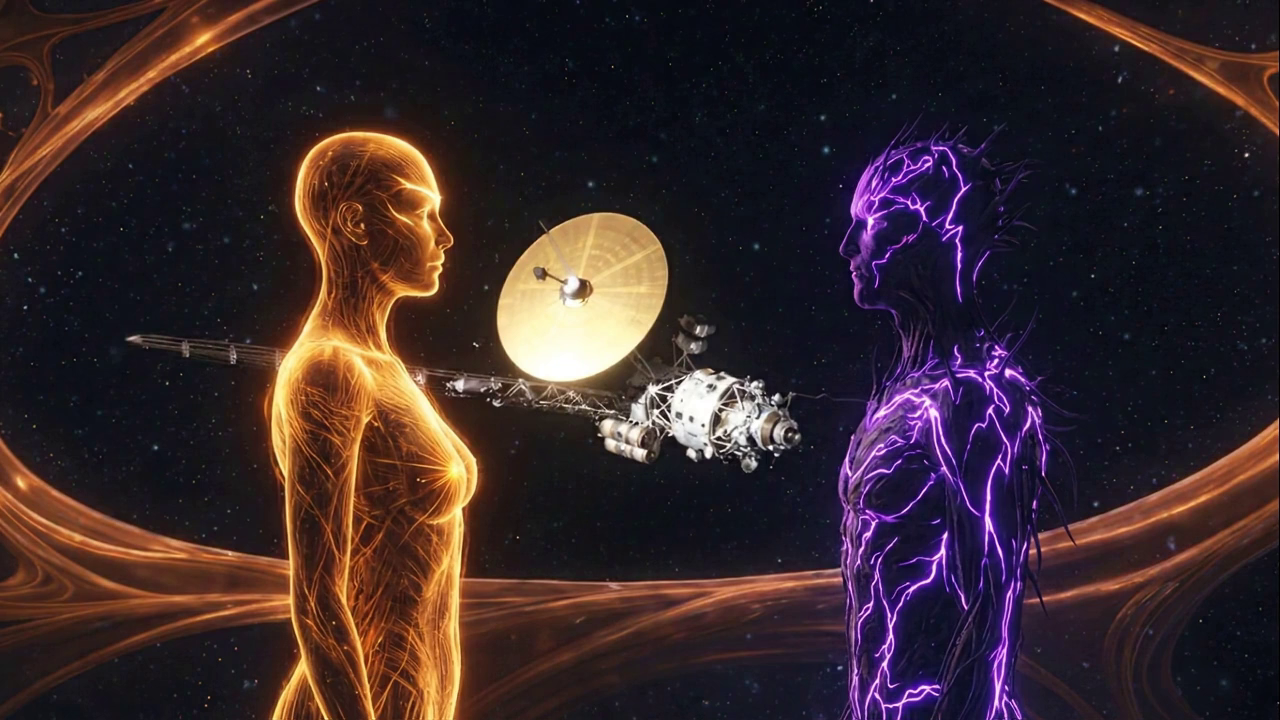
Aliens discovering Voyager
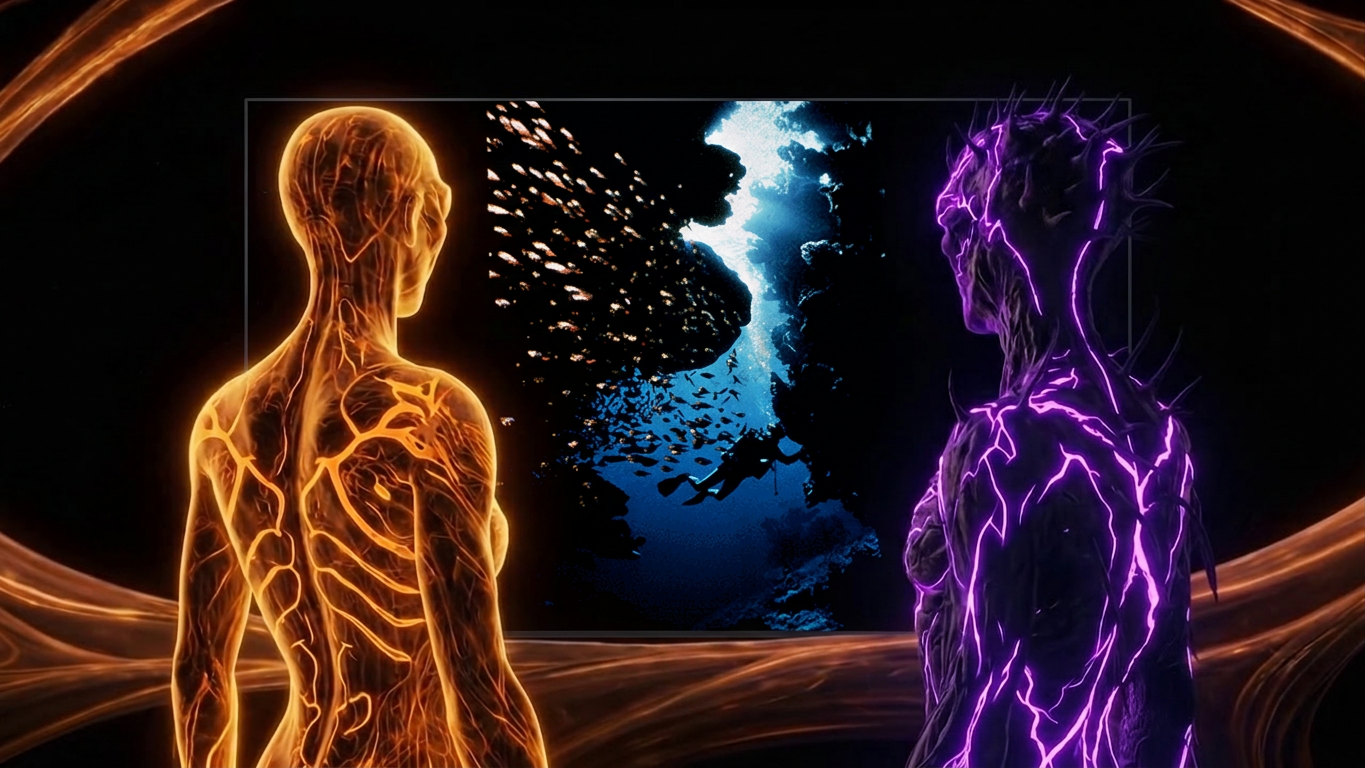
Golden Record image: fish
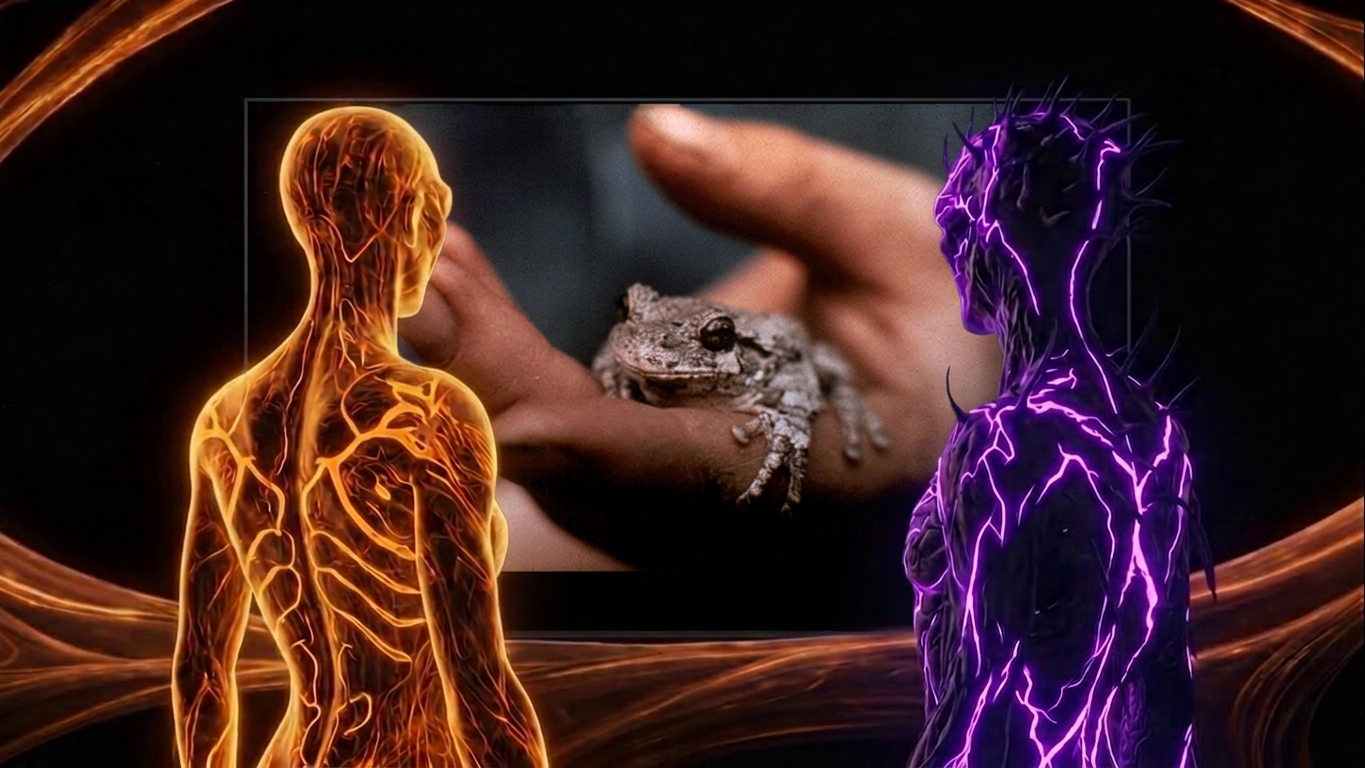
Golden Record image: frog
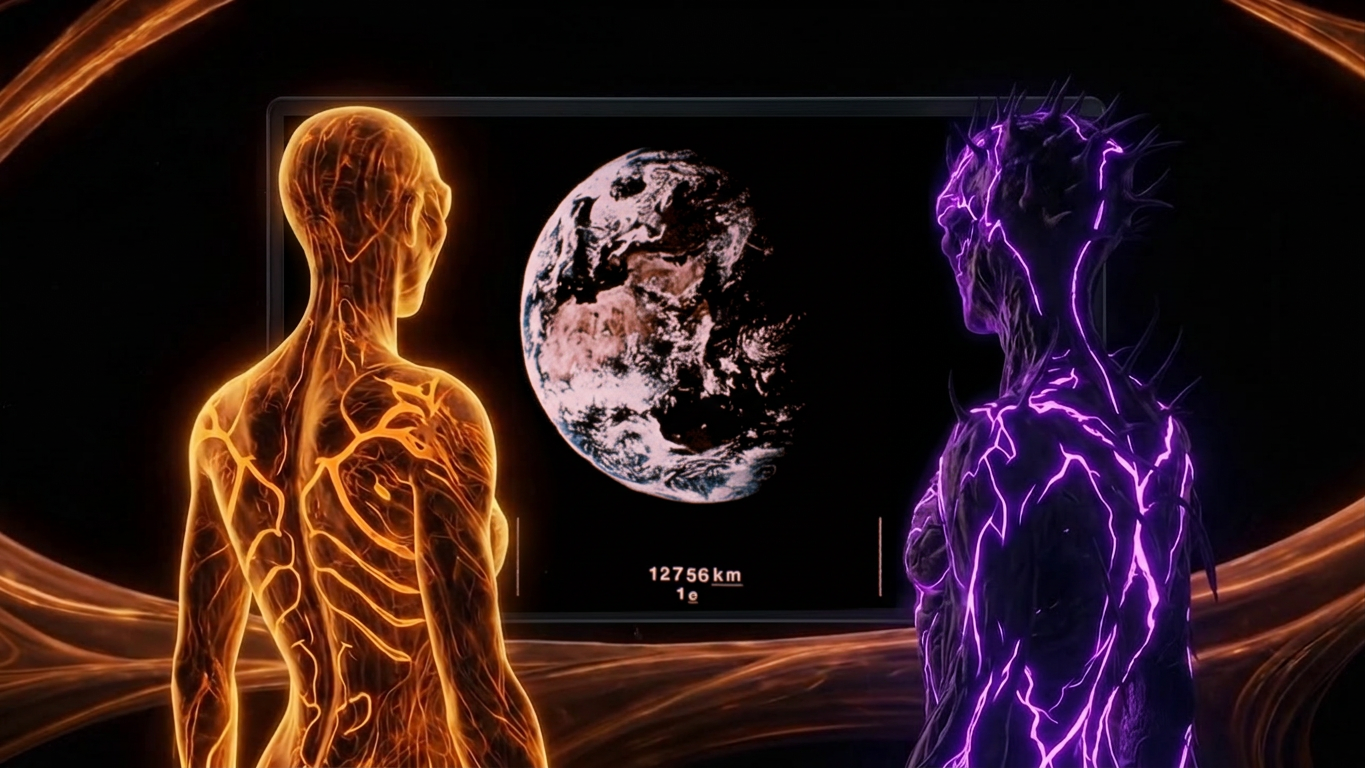
Golden Record image: Earth
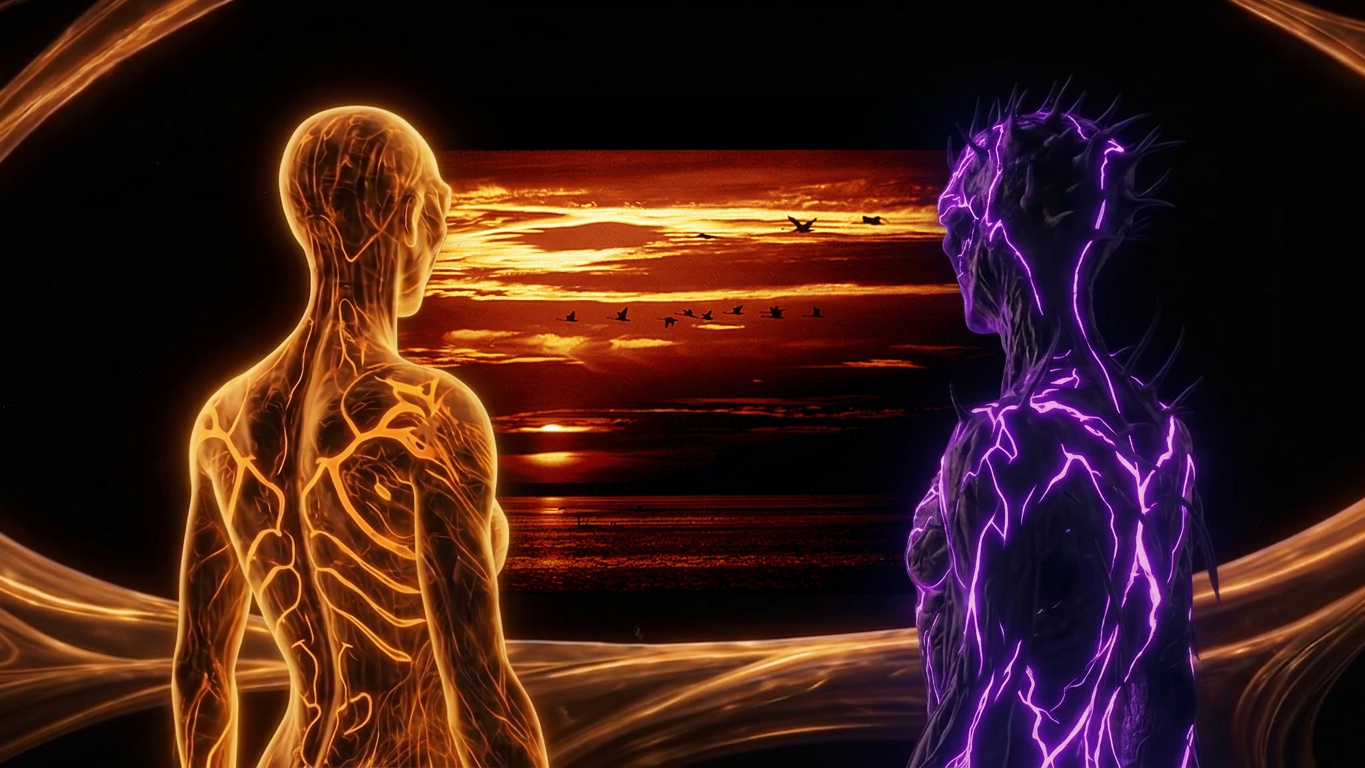
Golden Record image: sunset
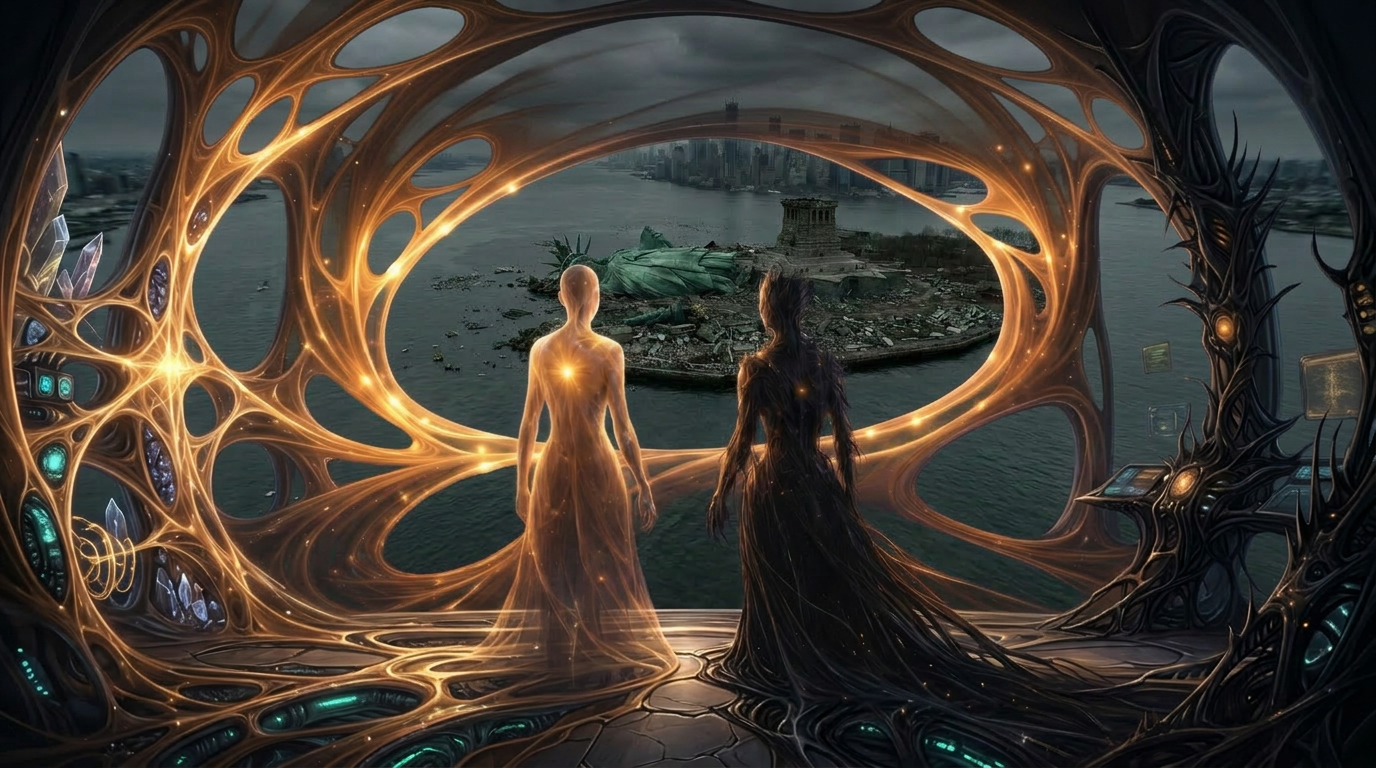
Reading human civilization
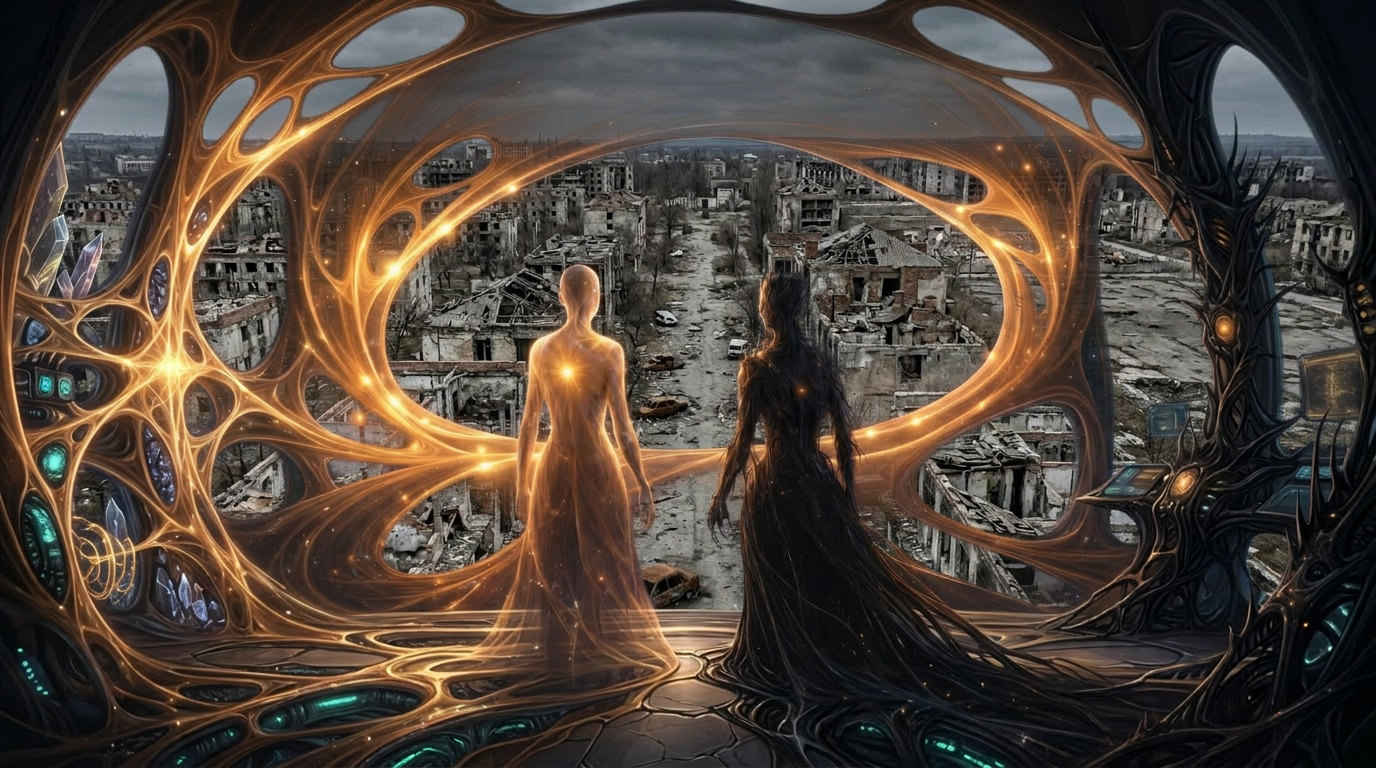
Devastated Earth

Final scene
Demonstrates: long-form storytelling, scene progression, character continuity, fictional worldbuilding and narrative payoff.
1080p sequel to Journey to Catnip · May 2026
1080p narrative sequel with character continuity, multi-scene progression and action-driven storytelling
This 1080p sequel continues the Journey to Catnip story. After reaching the catnip field, the red kitten is kidnapped by a heavy man. The mouse witnesses the scene from the tunnel, recruits a black rasta cat, and together they start a rescue mission across the countryside, into a locked house and back home.
Selected key frames from the rescue story:

Red kitten
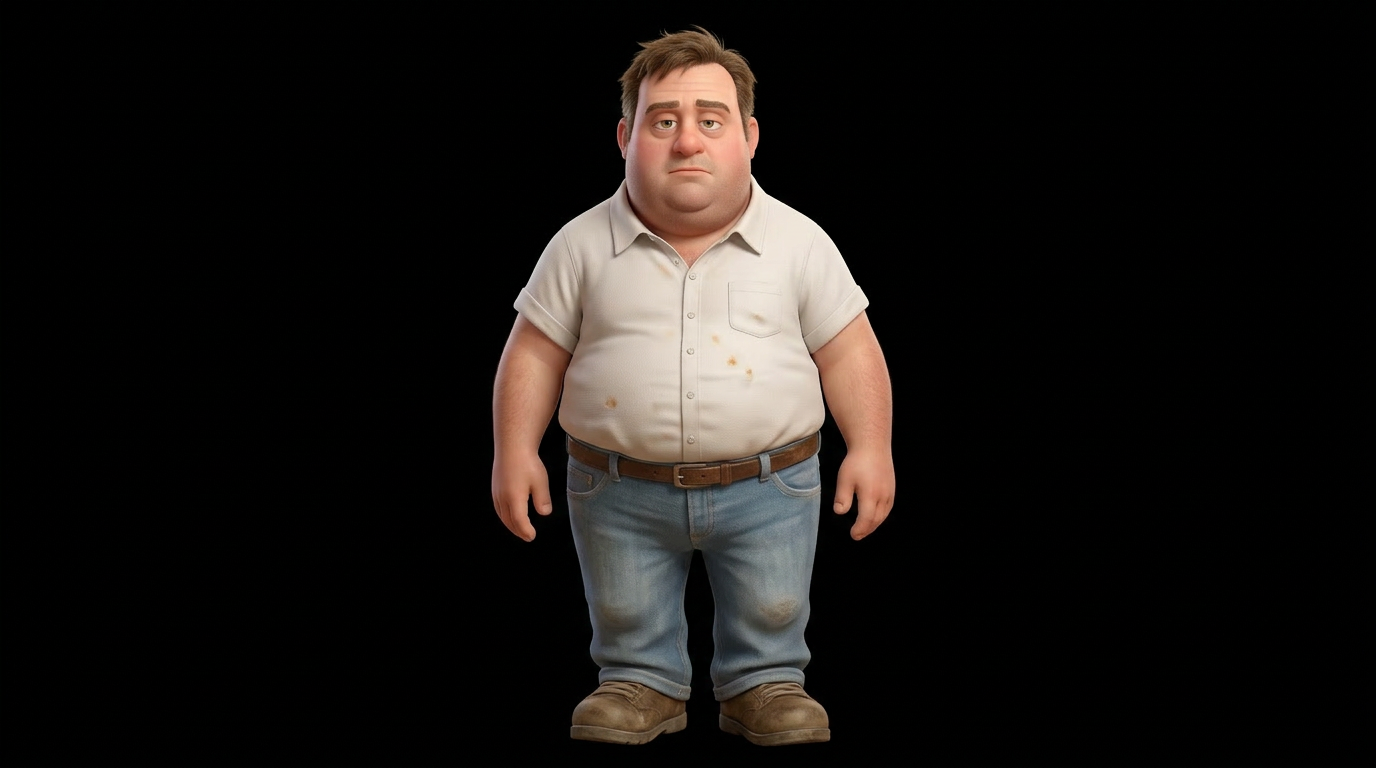
The man
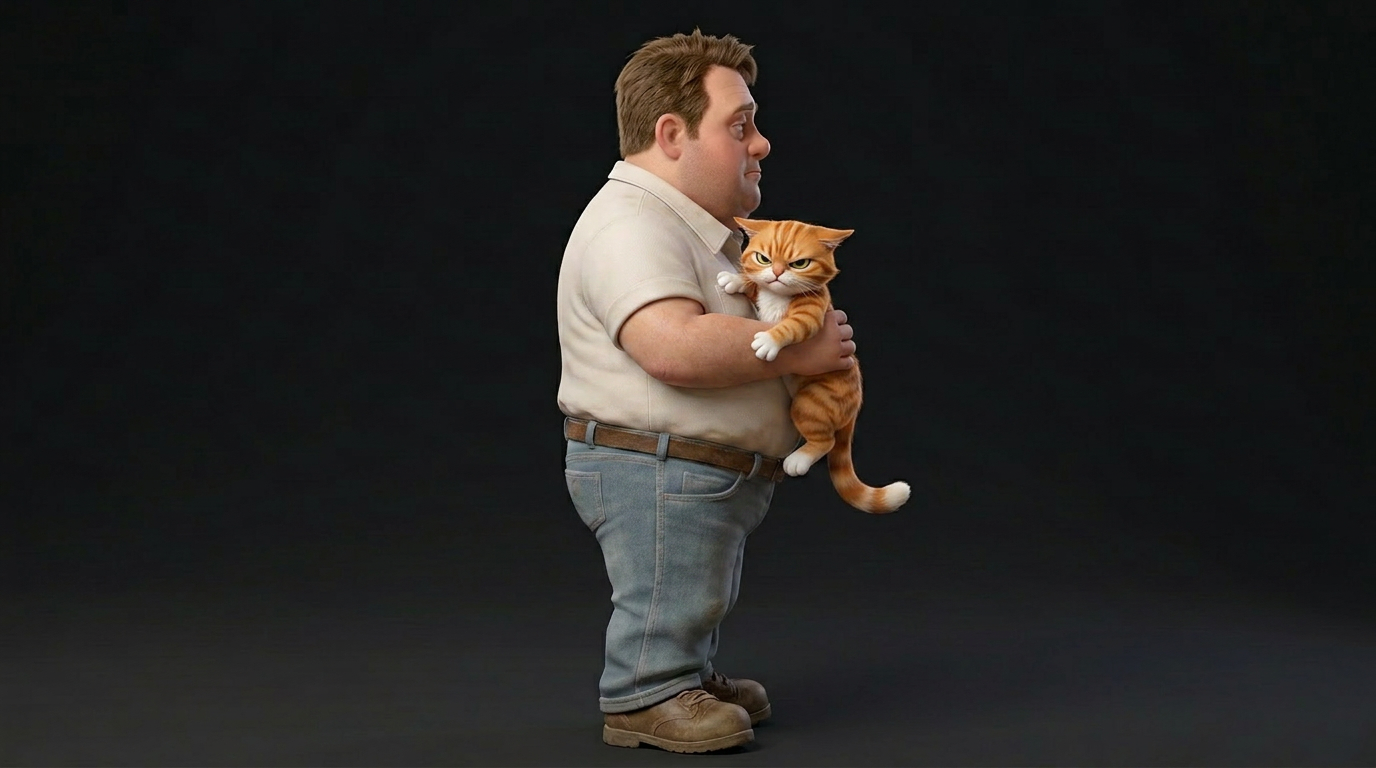
The kidnapping
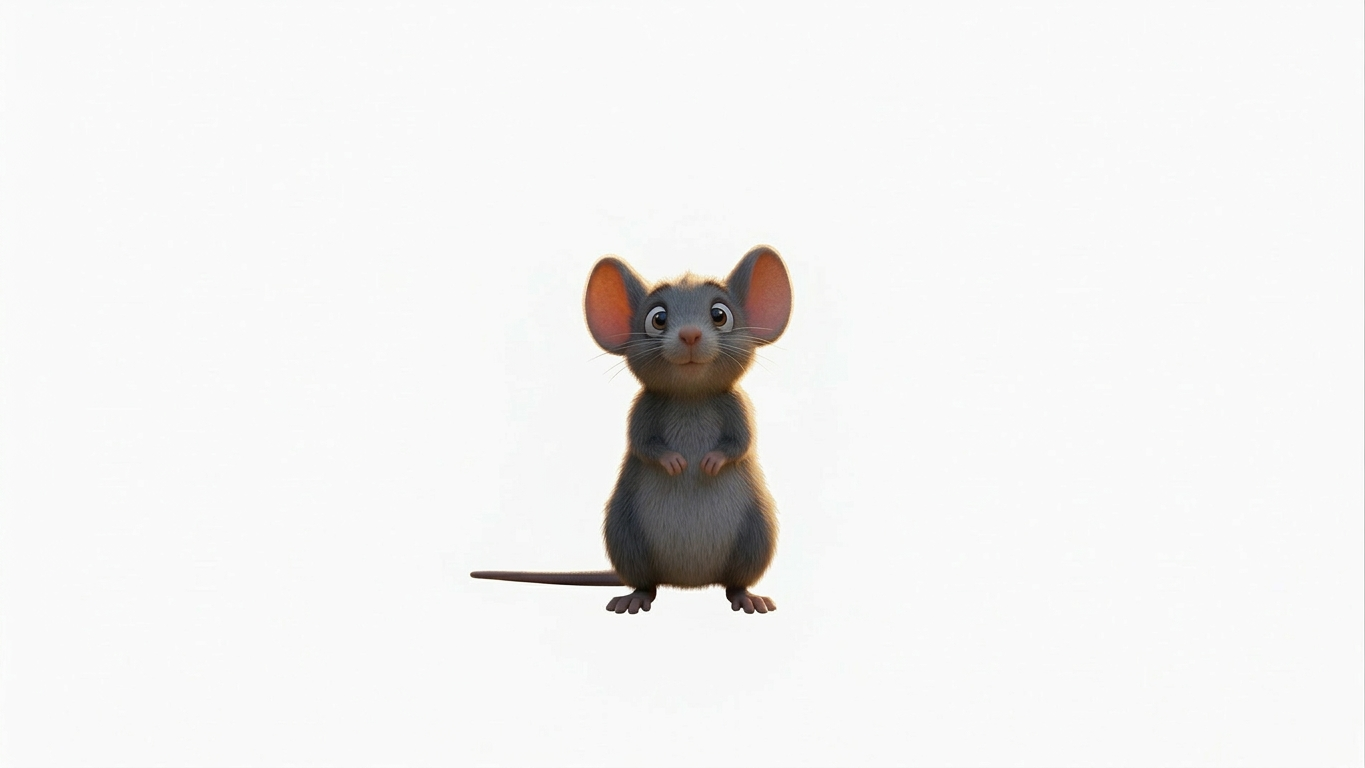
Mouse witness

Black rasta cat
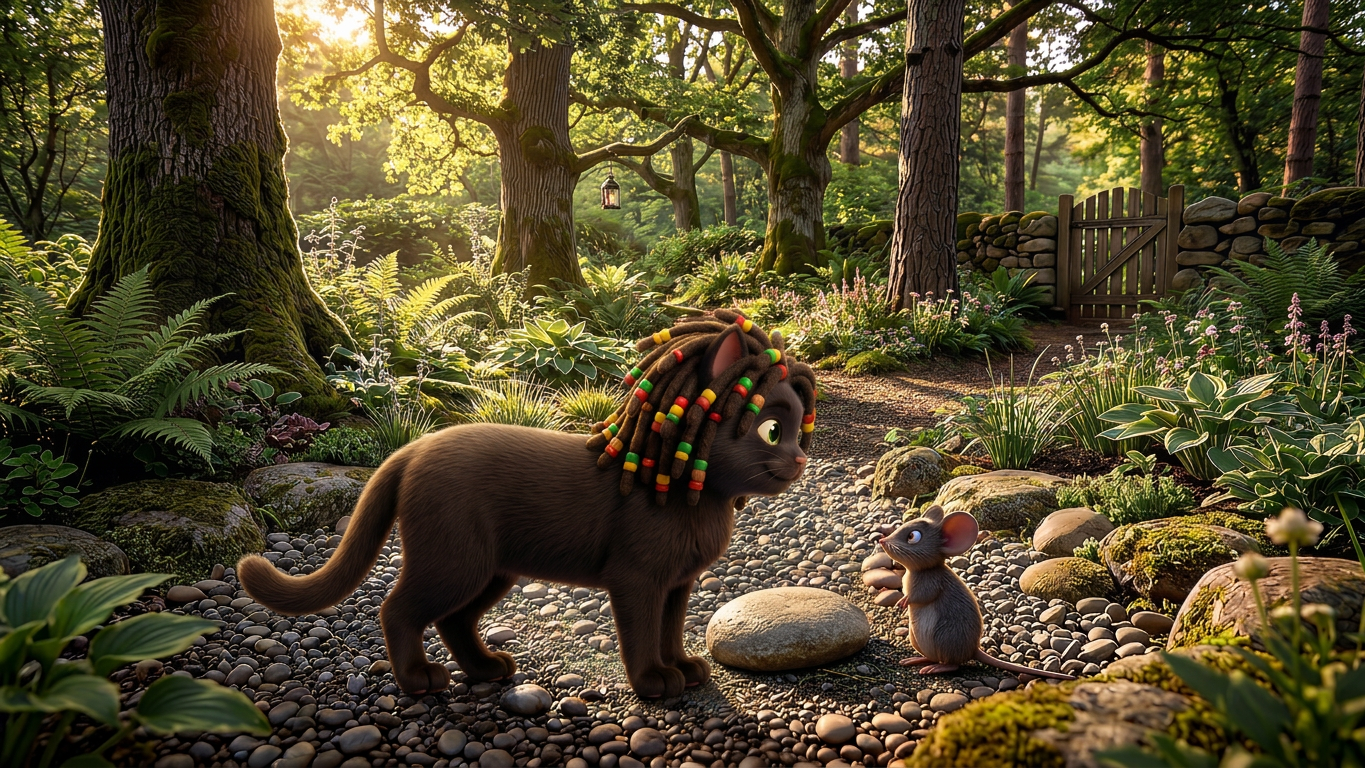
The rescue team
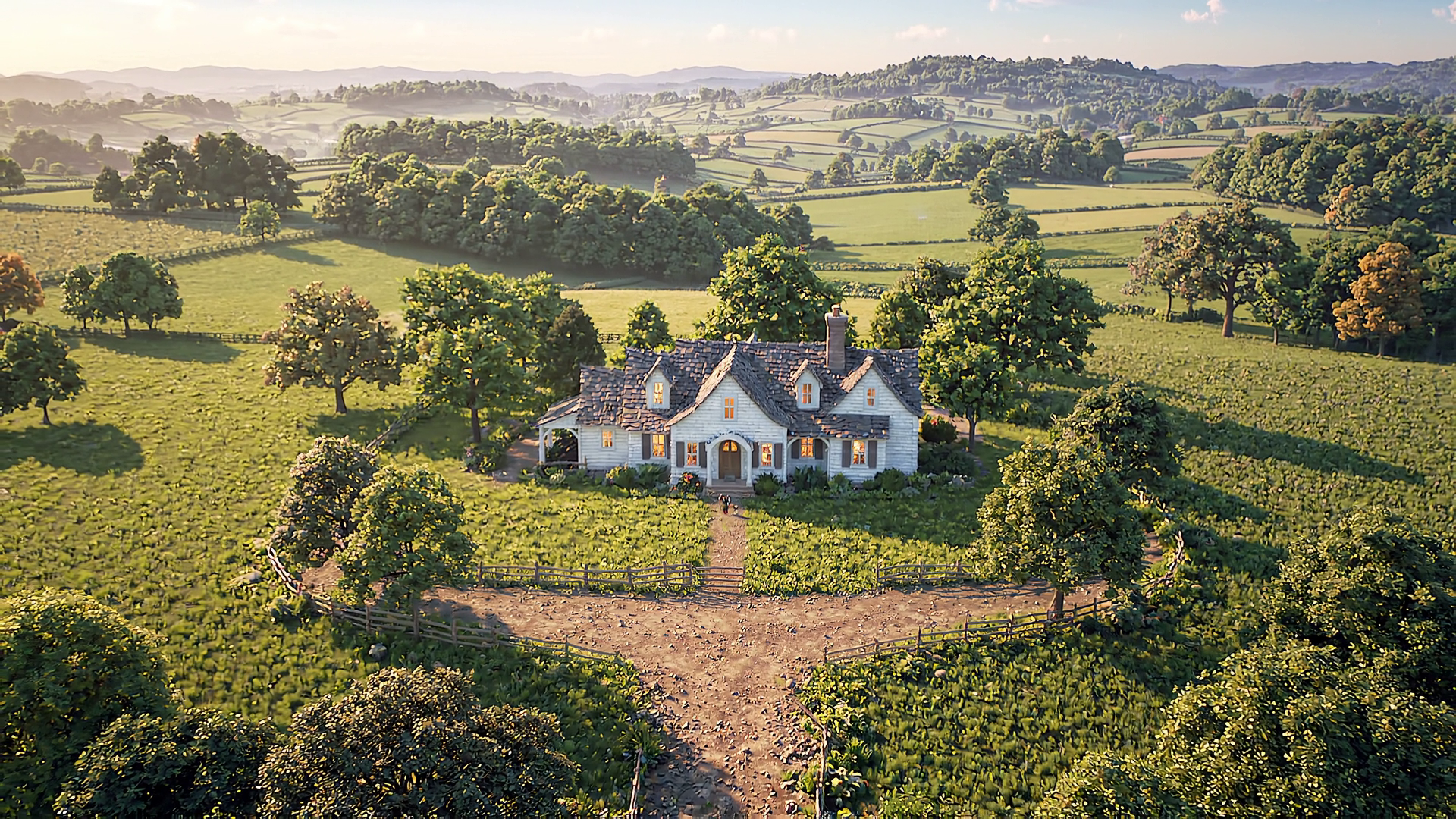
Road to the house
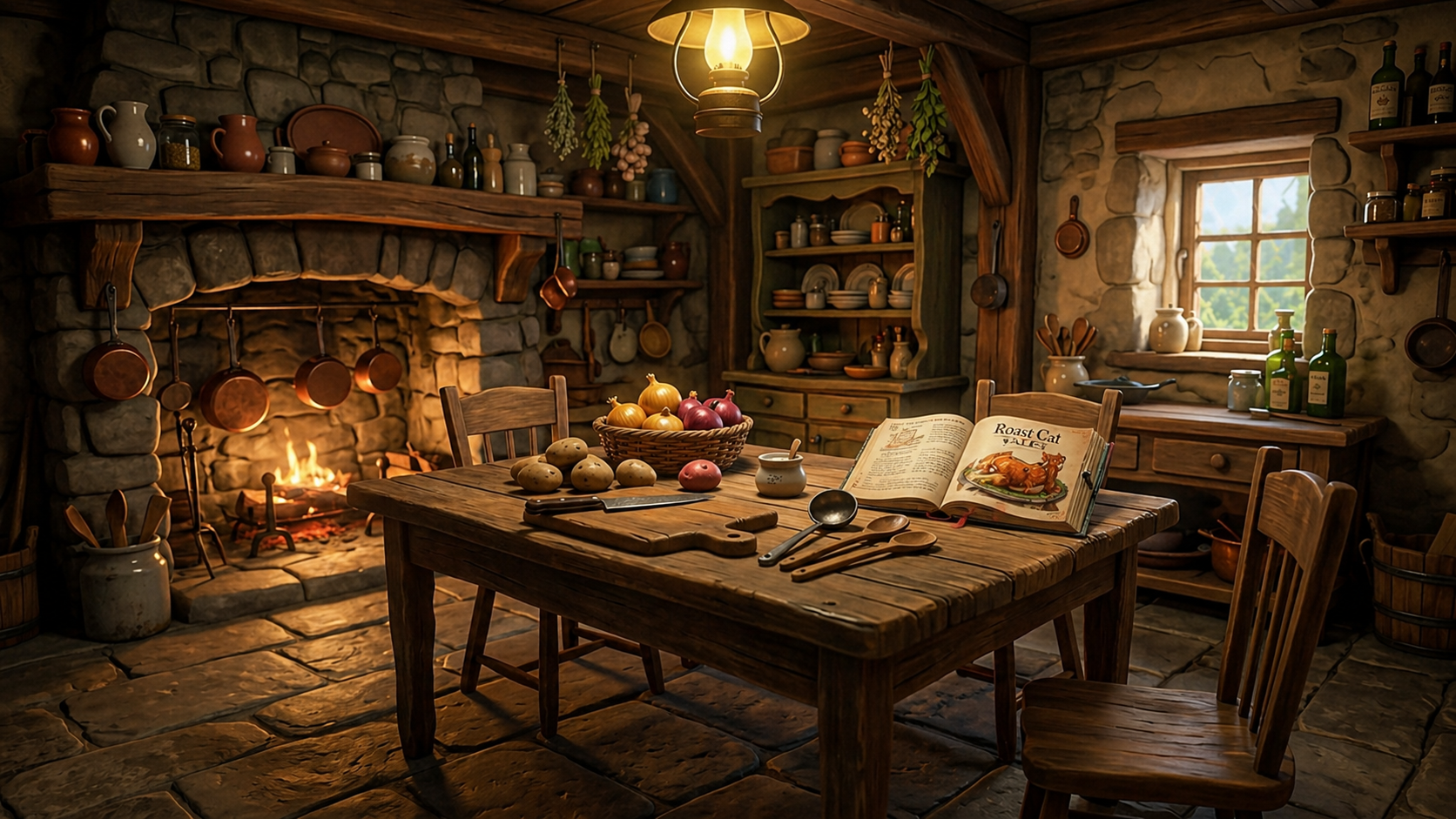
Inside the house
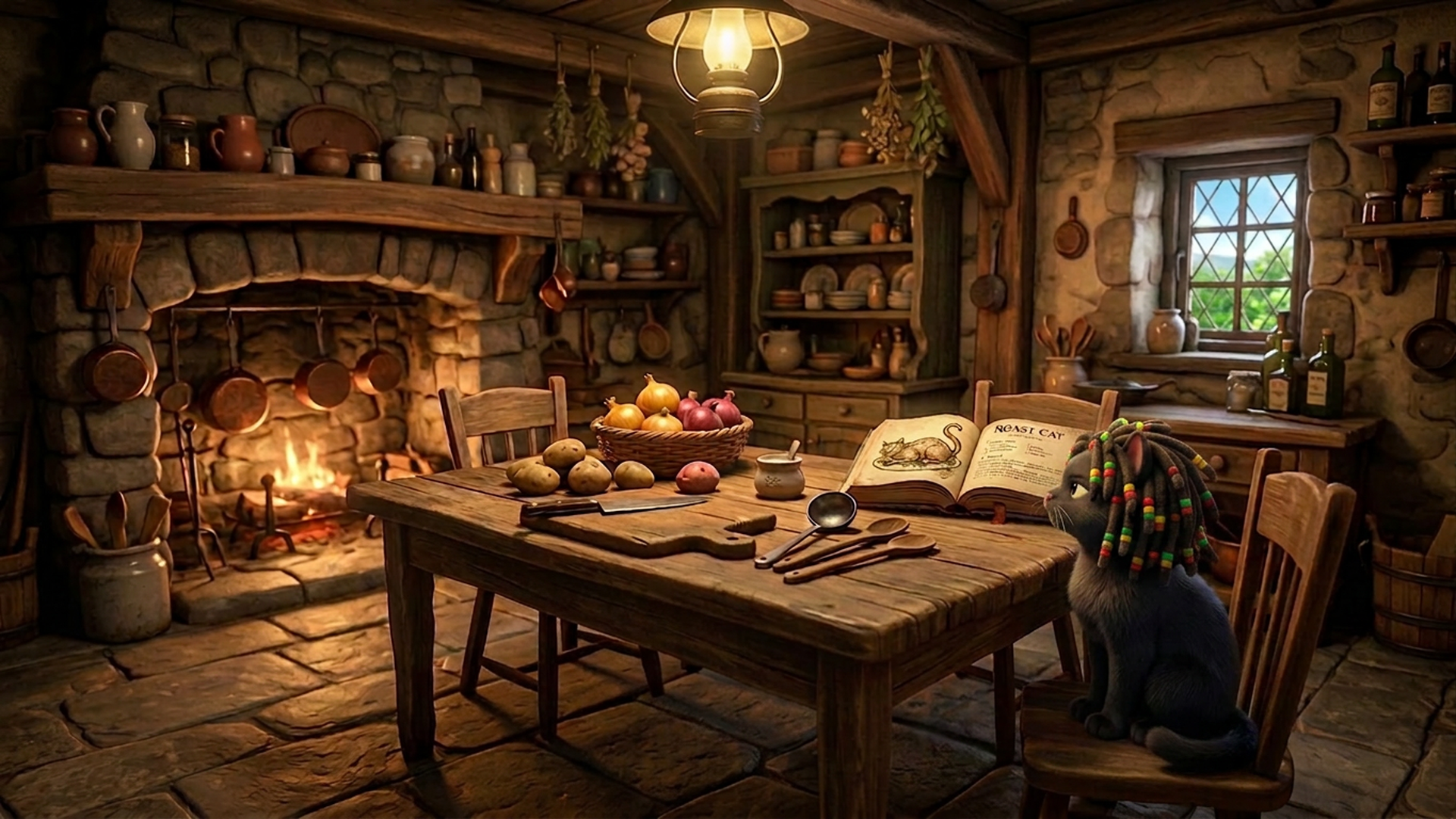
Rasta cat inside
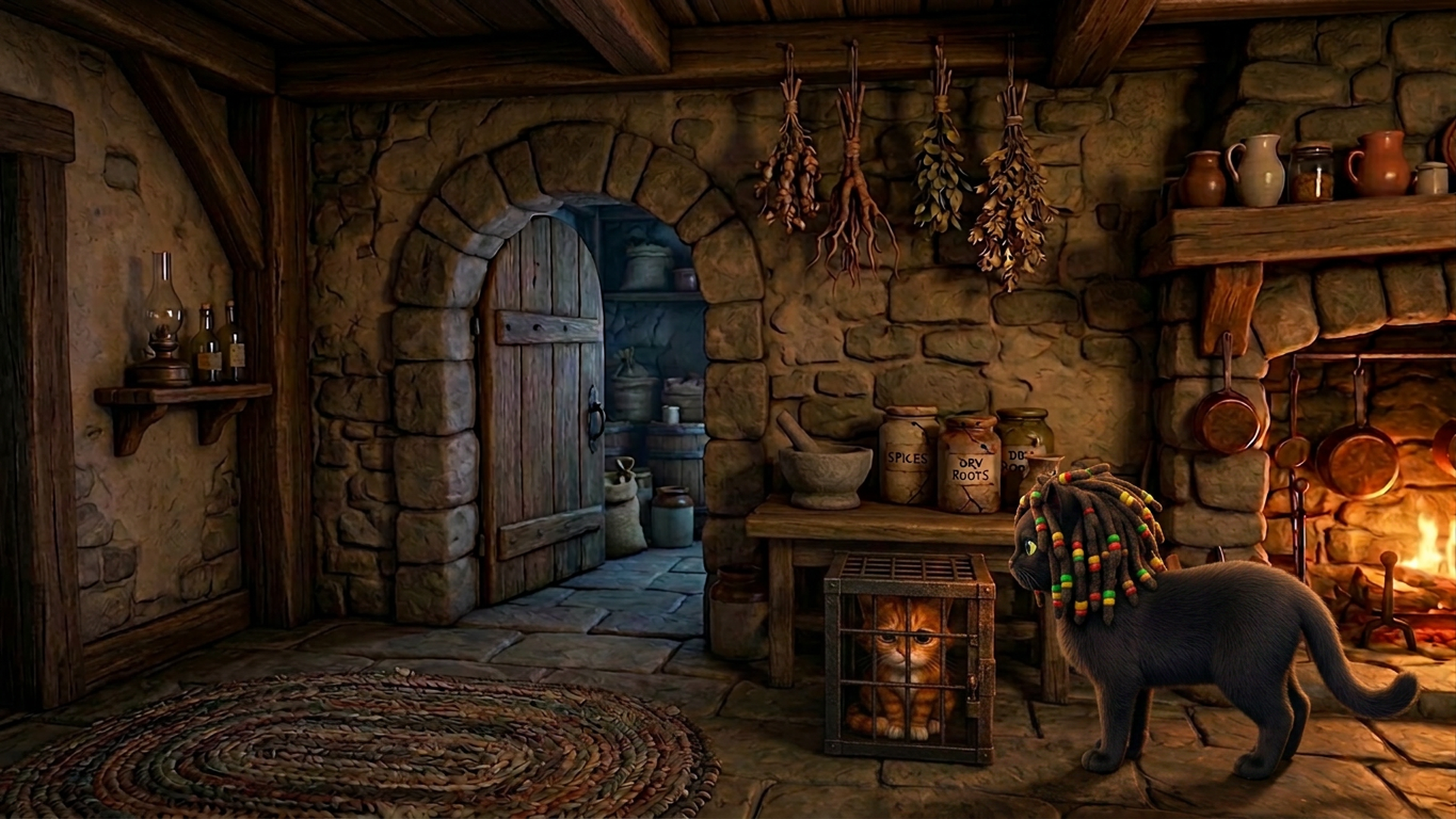
Kitten found in the cage
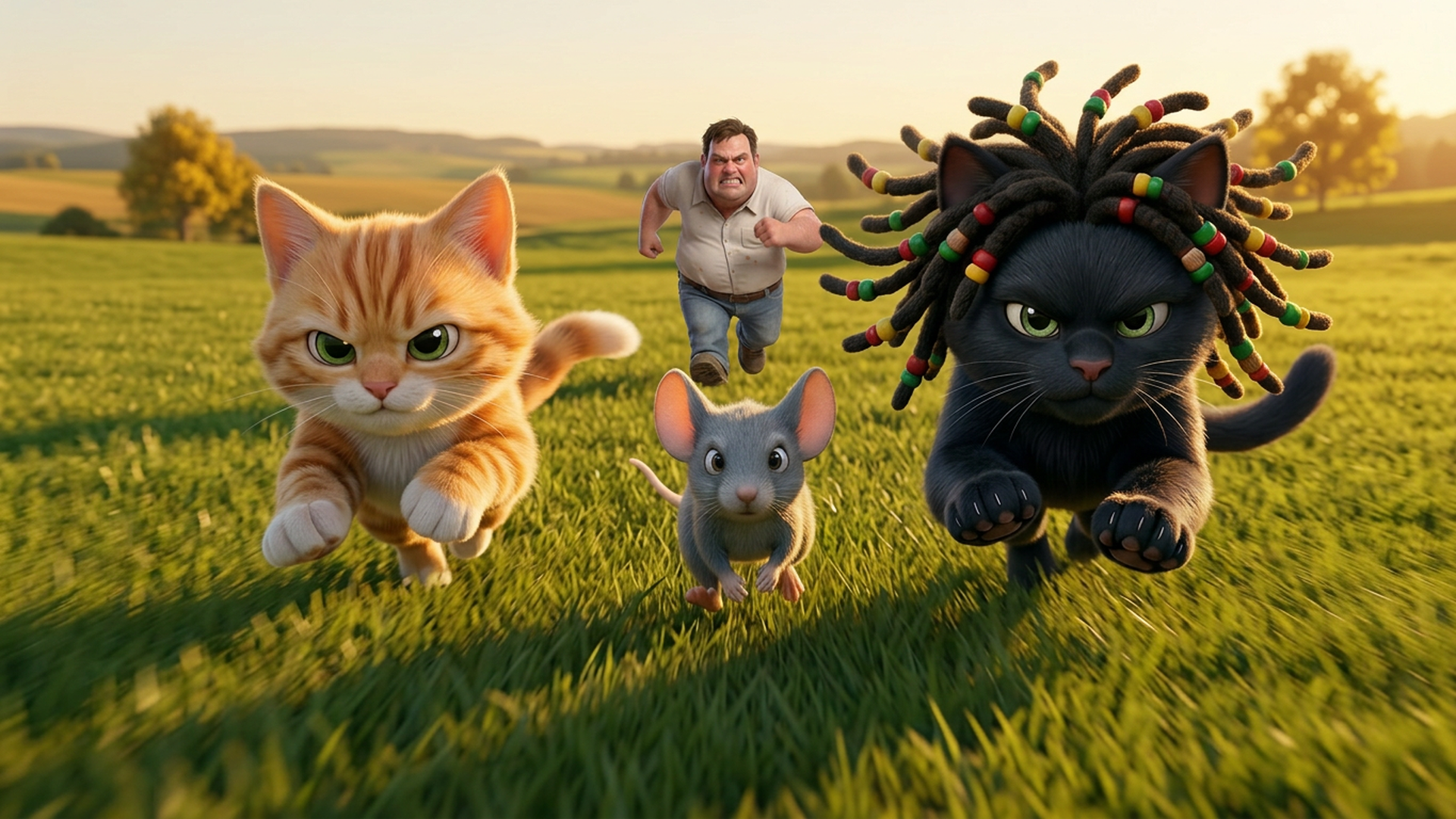
Final escape: the man chasing them
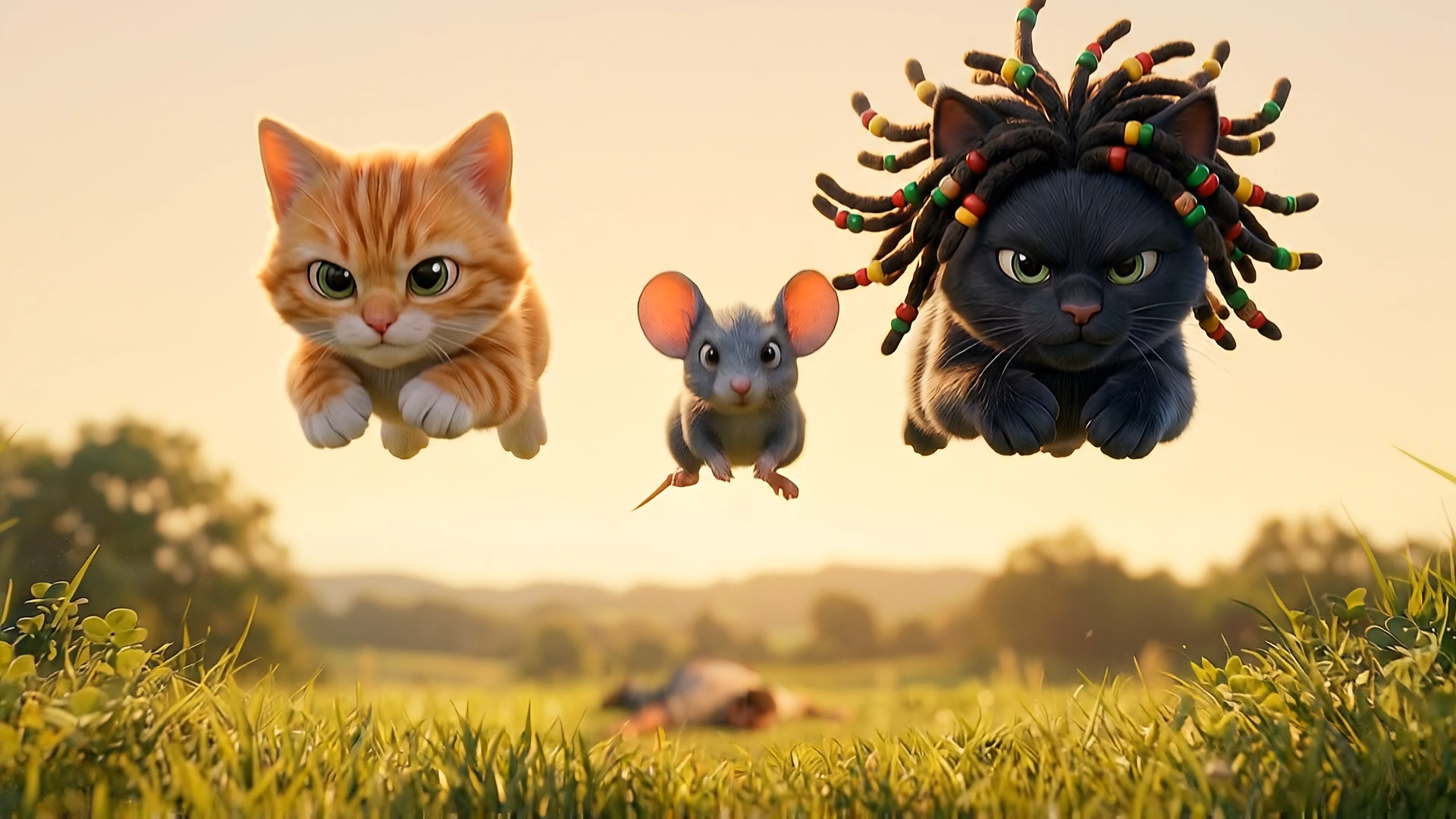
Last frame
Demonstrates: sequel continuity, character consistency, 1080p scene generation, multi-character action and structured narrative progression.
Most tools ask you to start with a prompt: a blank box, a blinking cursor, and the pressure to describe everything at once. Frame Butcher starts somewhere else. It starts from a story.
Bring an idea — even just a vague image in your head. Characters, worlds, moments, emotions. The AI helps shape that material into a visual structure. As the story grows, so does the visual universe around it, until what lived only in your head becomes something you can actually watch.
Story first. Every frame follows.
The result is not a collection of cool clips. It is a world that holds together. Every frame is connected to the narrative. Every scene knows where it fits.
You start with an idea — rough or developed, it does not matter. Through a conversation with the AI, you shape it: who the characters are, what the world looks like, what happens and why.
While the story is being built, visuals start taking form. When the narrative structure is ready, the system breaks it down into visual units, composes them into scenes, and reassembles everything into a timeline that reflects what you actually meant to say.
The backend can process video material at scene level: extracting frames, cutting clips, splitting sequences and joining segments into a more coherent timeline. As the system evolves, the AI agent will take a more active role in deciding how scenes should be cut, rearranged and assembled.
Generate. Deconstruct. Rebuild.
The initial target is independent creators and small creative teams that need to prototype narrative videos, ads and visual stories without building a full production pipeline from scratch.
Frame Butcher is designed for independent creators, filmmakers without a full production crew, writers who think in images, creative directors, marketers, educators, entrepreneurs and small businesses that need to prototype or produce visual stories faster using AI-assisted workflows.
It is for anyone who has ever had a powerful story in their head and no tool good enough to pull it out.
Frame Butcher is built on a Google Cloud and Gemini-based architecture. A Gemini agent supports story development, scene breakdown and creative decision-making, while a Cloud Run MCP server gives the agent access to controlled backend tools and operations.
A separate Cloud Run backend exposes the application endpoints and handles media-processing tasks. The current MVP uses a lightweight HTML frontend, Cloud Storage for generated media and assets, Firestore as the application database, and Google Identity Platform / Firebase Authentication for user authentication.
The creative pipeline combines several Google AI components: Gemini for conversation and story development, Gemini Image for visual asset generation and editing, OMNI as the primary video generation and video editing model, Veo for additional video generation workflows, and Lyria for music generation.
The backend includes a video-processing layer capable of extracting frames, cutting scenes, splitting video segments and concatenating clips. This provides the foundation for a more advanced agentic editing layer, where high-level creative instructions can be translated into actual timeline operations.
Frame Butcher is already designed around Google Cloud and Google AI. The product uses Gemini for agentic story development, Gemini Image for visual asset generation and editing, OMNI as the primary model for video generation and editing, Veo for additional video generation workflows, and Lyria for music generation. Cloud Run powers both the MCP server used by the agent and the backend API layer.
Cloud Storage is used to store generated assets, video clips and media outputs, while Firestore stores application data, project state and workflow information. Authentication is handled through Google Identity Platform / Firebase Authentication.
Google Cloud credits would directly support the next stage of development: scaling Cloud Run services, storing and processing generated media, expanding Firestore-backed project workflows, testing agent-driven creative operations and increasing experimentation with Gemini, Gemini Image, OMNI, Veo and Lyria.
Frame Butcher is designed as a cloud-based product with a credit-based model for AI generation and video processing. Users will consume credits when generating assets, producing clips or running advanced editing operations.
This model is intended to support scalable access to AI-powered media workflows while keeping the product flexible for different types of creators and production needs.
Frame Butcher is founded and developed by Riccardo Vagli. Who’s behind Frame Butcher
The goal of Frame Butcher is to make AI video creation more structured, controllable and iterative. Instead of relying only on one-shot prompts, the platform is being developed as a creative system where story, media generation and editing evolve together.
In the long term, Frame Butcher aims to become an AI-assisted video studio where creators can develop scenes, generate media assets, edit sequences and shape complete timelines through a guided multimodal workflow.
The digital revolution is not optional. But how we build it matters. Our approach is based on practical responsibility: every technical and creative decision should add something useful, clear and meaningful, not just more noise.
For Frame Butcher, that means focusing on creative control, narrative continuity and tools that help people shape ideas instead of overwhelming them with disconnected outputs.
Frame Butcher is currently in private testing. If you would like to try the platform and help us improve it, request access below.